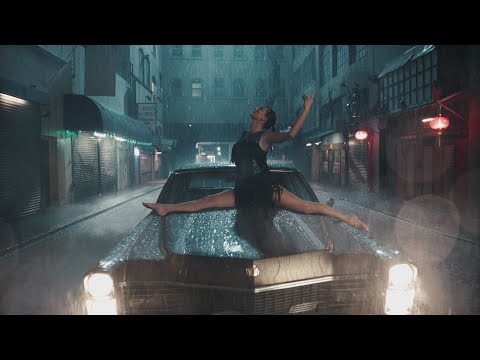
“Taylor Swift – Blank Space (Official Music Video) | Satirical Hit” is best described as a cinematic pop narrative that blends luxury, comedy, and emotional escalation into one of the most recognizable visuals of the 2010s
. The video opens with an idealized romance and then intentionally breaks that fantasy apart through exaggerated jealousy, destruction, and emotional volatility, making the satire impossible to miss
. Its strength is that it plays like a miniature film: elegant at first, then increasingly chaotic, with every scene reinforcing the song’s message about how relationships are framed, judged, and misunderstood
.
The song and video remain culturally relevant because they turned a public narrative about Swift into a commentary on the media machine itself. That gives the piece lasting value beyond entertainment: it is also a study in image control, gendered criticism, and how pop stars can reclaim a hostile storyline and convert it into art.
Positive Value
On the positive side, “Blank Space” is an outstanding example of satire in mainstream pop. Instead of denying the exaggerated image placed on her, Swift performs it so aggressively that the stereotype becomes absurd, which is why the video has remained widely discussed as a smart act of self-representation. That matters artistically because it shows how popular music can be intellectually layered without losing mass appeal.
Its contribution to society is not limited to the entertainment value. By making the video so openly self-referential, Swift helped normalize the idea that public women can criticize the narratives built around them rather than simply absorb them. That has value in media literacy, gender discourse, and cultural criticism, especially in environments where women in the public eye are often reduced to one-dimensional stereotypes.
The broader Taylor Swift ecosystem also has meaningful economic effects. Recent coverage of her global cultural influence and tour-era impact shows how her work drives spending across music, media, fashion, tourism, hospitality, and retail. Even though those reports are not about this video alone, they help explain the real-world labor value of major Swift releases: they support creative jobs, promotional work, venue labor, and a wider chain of businesses that benefit from sustained fan attention.
Critical View
A serious negative reading is that the video’s satire still depends on exaggerated violence and emotional instability, which some viewers may interpret as reinforcing the very stereotypes it tries to mock. Because the imagery is so theatrical, the line between critique and spectacle can blur, especially for casual viewers who may remember the smashing, cutting, and destruction more than the satire itself. That is a fair criticism, because a message can be clever and still be misunderstood.
Another critique is that the video’s cultural power is tied to celebrity privilege. Swift has the platform, resources, and media access to turn a stereotype into a polished visual statement, while less powerful artists often do not get that same opportunity to reclaim harmful narratives. In that sense, the video is both empowering and structurally uneven: it shows what a major star can do, but it also highlights how concentrated attention is in modern pop culture.
Industry Contribution
The video’s real contribution to the music industry lies in how it elevated the expectation that a pop single can also function as a full narrative product. It helped strengthen the business logic of high-concept visuals, where a music video is not just promotional content but a shareable cultural event. That affects directors, editors, stylists, set designers, marketers, and digital platforms that depend on virality and replay value.
On a broader level, Swift’s catalog has continued to generate cultural and commercial value long after the original release cycle, especially through renewed catalog attention and the wider Taylor’s Version strategy. That helps preserve jobs across creative and technical sectors because older hits remain monetizable, discussable, and relevant. In practical terms, “Blank Space” is a case study in how a single song can continue supporting labor, attention, and revenue years after its debut.
Social Meaning
In the best scenario, “Blank Space” works as a social correction: it exposes how quickly women’s emotions are weaponized in public conversation. The video invites audiences to question why a confident, successful woman is so often framed as manipulative, unstable, or dangerous. That kind of critique has real social value because it pushes viewers toward more careful reading of media narratives.
In the worst scenario, some audiences may consume it only as drama, glamour, and revenge fantasy, missing the media critique altogether. That limitation matters because satire only changes culture when viewers recognize the target of the joke. Still, even when misunderstood, the video keeps generating discussion about representation, image control, and the economics of celebrity, which is itself a form of cultural impact.
Source Grounding
The official-era and archival sources confirm the song’s 1989 context and its place in Swift’s visual catalog. Contemporary criticism and analysis consistently describe the video as self-aware satire aimed at the “crazy girl” image attached to Swift in the press. Broader 2026 reporting on Swift’s cultural dominance helps explain why older releases like this continue to matter in the current attention economy.