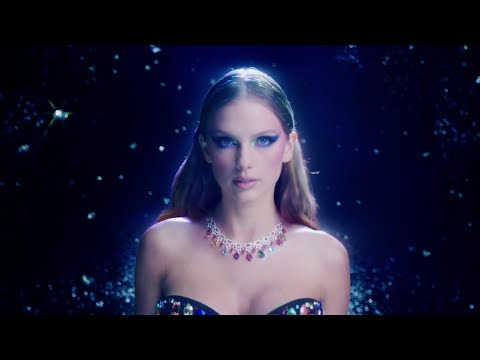
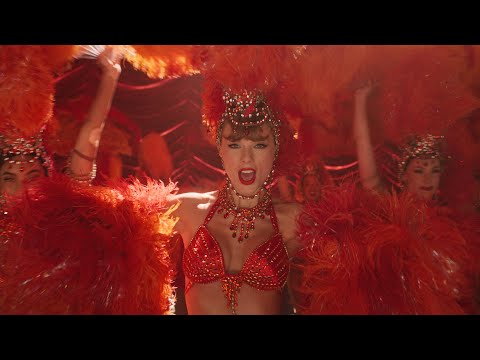
Taylor Swift’s “I Knew It, I Knew You (From Toy Story 5)” is an original soundtrack song created for Disney and Pixar’s Toy Story 5, released in 2026 as part of the film’s music campaign and later presented with an official music video tied to Disney music distribution. The track is credited to Taylor Swift and Jack Antonoff, with Walt Disney Records and Pixar attached to the release, and it was promoted through official streaming, social, and theatrical marketing channels to support the film’s rollout.
At its core, the song is framed as an emotional reflection on memory, childhood connection, and the return of long-held bonds after time and distance. That makes it especially fitting for a Toy Story project, since the franchise has always explored loyalty, growing up, separation, and the meaning of friendship in a world shaped by change. Swift’s involvement also creates a strong crossover between pop music, family entertainment, and global franchise storytelling, which helps the film reach both younger viewers and adult audiences who follow her work.
Strongly positive critical view:
This release has real artistic and commercial value because it joins one of the world’s most influential pop songwriters with one of the most trusted family brands in modern film. Disney and Pixar benefit from a song that deepens emotional resonance, while Swift gains a new venue for storytelling that can travel across streaming, radio, social media, and theatrical publicity. The song’s nostalgic tone also supports broader creative industries, including music publishing, film marketing, soundtrack production, and licensing, all of which depend on emotionally memorable cross-media work. In a positive scenario, this kind of collaboration helps reinforce the idea that mainstream entertainment can still be emotionally intelligent, family-friendly, and commercially successful at the same time.
Strongly negative critical view:
A harsher reading is that the project may feel calculated, overly polished, and heavily engineered to maximize brand value rather than artistic risk. Because it is tied to a major studio franchise, some critics may see it as a safe corporate synergy move that uses Taylor Swift’s fan base to amplify box-office attention and streaming numbers. Another criticism is that soundtrack singles like this can be emotionally effective but structurally conservative, leaning on familiar nostalgia and sentimental storytelling rather than pushing the boundaries of either pop music or animated film music. In a negative scenario, the song becomes more of a marketing asset than a standalone artistic statement.
Value to society and work sectors:
The real contribution of a project like this extends beyond entertainment. It supports jobs in songwriting, studio engineering, mastering, film promotion, digital distribution, animation marketing, and global merchandise operations, which are all part of the modern media economy. It also helps keep large-scale family cinema culturally relevant in an era dominated by short-form content and fragmented attention, giving parents and children a shared emotional reference point. On the social side, songs tied to themes of memory, friendship, and return can encourage intergenerational viewing and conversation, which is one of the quieter but meaningful strengths of franchise storytelling.
Balanced final assessment:
“I Knew It, I Knew You (From Toy Story 5)” is best understood as a high-visibility soundtrack release that blends emotional storytelling, star power, and franchise marketing into one polished package. Its strongest asset is its ability to make a family film feel more personal and memorable, while its main weakness is the possibility that its commercial purpose may overshadow its artistic independence. Even so, the collaboration clearly contributes to the music, film, and licensing industries in a measurable way, while reinforcing the cultural power of songs that connect childhood memory with adult reflection.