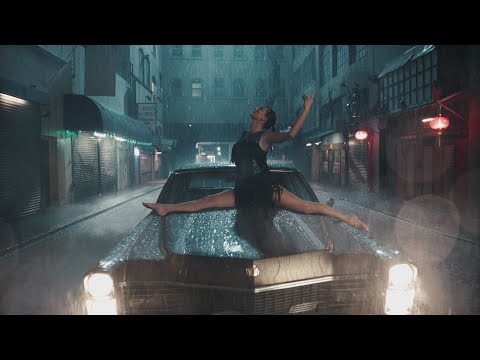
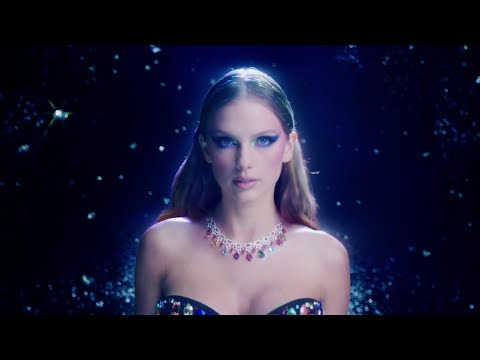
Taylor Swift’s “The Fate of Ophelia (Official Music Video)” is a director‑helmed short film–style pop video that visually reinterprets the Shakespearean figure Ophelia through multiple historic and theatrical tableaux while pairing those visuals to the single from Swift’s twelfth studio album, The Life of a Showgirl. The video debuted exclusively at Swift’s theatrical “Release Party” event and then premiered on YouTube, featuring cinematic production, period references, and choreography that links classical art-historical imagery with modern showbiz iconography.
Creative and technical description
Direction and concept: Taylor Swift is credited as director; the visual concept cycles through Pre‑Raphaelite tableaux, mid‑century showgirl staging, and staged drowning imagery that deliberately echoes John Everett Millais’s famous painting of Ophelia, reframing the tragic heroine as resilient rather than defeated.
Production credits: The clip lists production by Taylor Swift Productions Inc. (with Merman noted), and credits on the single and video include established engineers and pop producers associated with major contemporary releases.
Release strategy: The video was rolled out as part of a theatrical release event tied to the album rollout and then posted on YouTube, an approach that blends box‑office promotion, fan‑community spectacle, and streaming reach.
Very positive critical perspective (strong praise)
Artistic ambition and storytelling: The video succeeds as a layered narrative collage—blending art history, musical theatre, and pop performance to create a multivalent visual that rewards repeat viewings and close reading, which critics praised as ambitious and richly referential.
Cultural curation and intertextuality: By explicitly referencing Pre‑Raphaelite paintings and classic Hollywood showgirl tropes, the piece functions as cultural curation—introducing mass audiences to art‑historical motifs and prompting renewed interest and scholarship about Ophelia depictions in painting and theater.
Industry impact: The release strategy (exclusive theater preview + global YouTube premiere) amplified box‑office and streaming activity tied to the album campaign, helping drive significant first‑day album sales and cross‑platform engagement reported during the rollout period.
Craft and team: The involvement of high‑caliber mixing/mastering engineers and seasoned production companies contributes to a polished, high‑value product that signals continued investment in long‑form pop visuals as a commercial art form.
Very negative critical perspective (strong criticism)
Cultural appropriation of tragedy: Some critics argue the reframing of Ophelia from tragic figure to glamorous showgirl risks trivializing historical depictions of mental health, drowning the character’s tragic context in spectacle and consumer-friendly aesthetics.
Over‑referencing and crowding: The video’s many stylistic references (art history, mid‑century pop, stage musicals) can feel crowded and pastiche‑like to some viewers, reducing emotional specificity in favor of visual “Easter eggs” designed more for fandom decoding than for coherent storytelling.
Marketing over art critique: The theatrical premiere tied to deluxe album sales and merchandising can read as corporate spectacle; critics note the blending of art and commerce may prioritize revenue generation and brand amplification over deeper cultural interrogation.
Accessibility concerns: Heavy reliance on intertextual knowledge (Millais, theatrical history, showgirl iconography) risks alienating casual listeners who lack the contextual literacy to interpret the references, making the video feel insider‑driven rather than universally accessible.
Scenarios and sectoral contributions (positive and negative implications)
Music industry and labels: Positively, the video’s cinematic rollout and cross‑platform strategy provide a blueprint for premium release campaigns that expand revenue per release through events and streaming; this can benefit labels, distributors, and exhibitors. Negatively, such strategies can widen the gap between blockbuster artists and smaller musicians who lack resources for theatrical tie‑ins or high‑concept visuals.
Film, production, and creative services: The video creates work for large crews—directors, cinematographers, set designers, costume houses, VFX teams, choreographers—and showcases demand for boutique production companies and specialist craftspeople; this sustains jobs and advances technical know‑how in short‑form cinema. Conversely, concentration of these commissions among a few superstar projects can skew market opportunities toward established houses and away from independent creators.
Visual arts and academia: The video stimulated renewed public interest in Pre‑Raphaelite and Shakespearean studies, creating potential for museums, publishers, and academics to engage broader audiences via exhibitions, reprints, and public programming. A critique: converting scholarly subjects into pop imagery risks oversimplification and sensationalization of complex histories.
Mental‑health discourse and advocacy: Positively, the reimagining invites discussion about historic portrayals of female mental health and the agency of marginalized literary figures, potentially opening paths for advocacy and educational collaborations. Negatively, the glamorized staging might be seen as minimizing the real harms of mental illness unless accompanied by responsible messaging or partnerships with advocacy groups.
Real value and measurable effects
Commercial metrics: The single and album campaign generated measurable commercial impact—reported album first‑day sales spikes and high streaming counts associated with the theatrical + digital rollout—evidence that premium video strategies still move units and attention in a streaming era.
Cultural influence: The visual’s frequent references and theatrical staging catalyzed social‑media analysis, think pieces, and art‑history reads, which increased cultural conversation around Ophelia and showgirl iconography; such cultural amplification has non‑monetary value in shaping public taste and museum attendance.
Employment and downstream revenue: High‑budget music videos create billable work across production, postproduction, wardrobe, and marketing—concrete contributions to creative GDP and freelancer incomes, particularly in markets where large pop acts film complex visuals.
Balanced critical summary (coherent appraisal)
Taylor Swift’s “The Fate of Ophelia” video is a high‑production, referential visual that successfully leverages theatrical spectacle and art‑historical iconography to amplify a pop single’s cultural footprint while delivering concrete commercial returns through an eventized rollout. At the same time, the project invites legitimate critique: its spectacle can overshadow the tragic nuance of Ophelia’s story, its marketing mechanics highlight industry inequities, and its dense referencing may privilege fandom decoding over broad accessibility. Both praise and critique are warranted: the piece is artistically ambitious and economically effective, but also emblematic of how contemporary pop spectacle can sanitize or commodify complex cultural narratives.