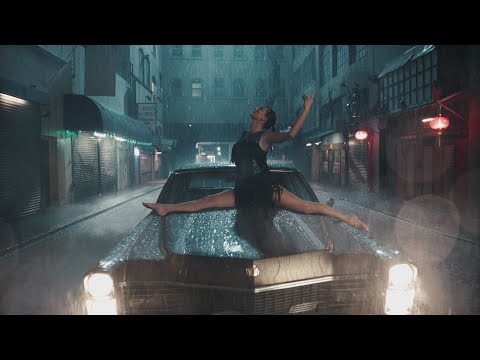
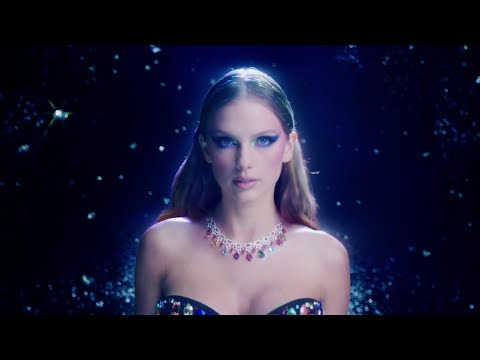
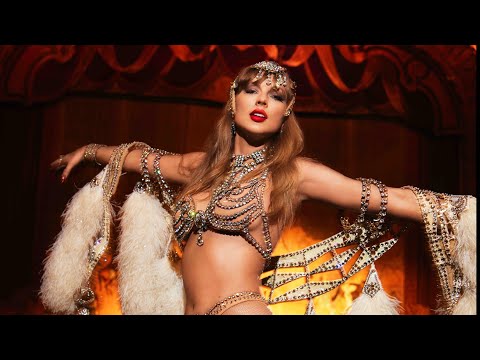
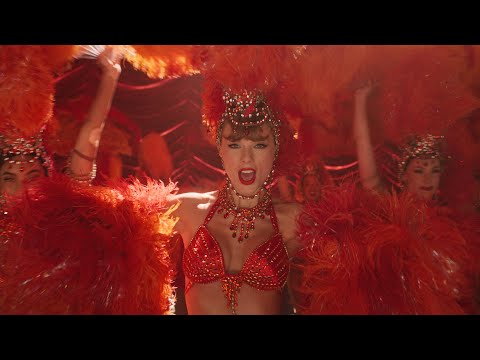
Taylor Swift’s “Elizabeth Taylor (Official Music Video)” is a highly stylized visual companion to the song from The Life of a Showgirl, built around archival imagery, Old Hollywood iconography, and a deliberate tribute structure that centers the legacy of Elizabeth Taylor rather than Swift’s own on-screen performance. Released in spring 2026 through premium streaming-first channels before wider online availability, the video sparked immediate discussion for its artistic restraint, its licensing-heavy archival approach, and its unusual decision to let the story be told almost entirely through curated footage.
From an editorial and SEO standpoint, the strongest framing is that this is not just a music video, but a cultural essay on celebrity, memory, and the cost of iconic status. Swift reportedly secured estate consent for the use of Elizabeth Taylor’s likeness, and reporting indicates that royalties from the video’s streams benefit both Taylor’s estate and the Elizabeth Taylor AIDS Foundation, which gives the project a real philanthropic dimension beyond promotion. The release also generated strong media attention because Swift does not appear in the video, making it one of her most unconventional visual rollouts in years.
Positive critical view:
The video can be seen as a mature and intelligent act of cultural preservation. By centering Elizabeth Taylor’s film history, public image, and paparazzi-documented fame, Swift places the audience inside a conversation about how women are mythologized, consumed, and remembered across generations. In that sense, the video contributes to film heritage, digital archiving awareness, pop-culture education, and the continued commercial relevance of classic cinema for younger audiences. It also supports creative labor across licensing, archival research, editing, rights management, and platform distribution, which are often invisible but essential parts of the modern media economy.
Negative critical view:
The most serious criticism is that the piece can feel emotionally distant, even self-protective, because Swift removes herself almost entirely from the visual language and relies on montage rather than new narrative insight. For some viewers, that makes it look less like an original music video and more like an expensive, high-gloss fan tribute or “fancam,” which weakens the sense of authorship and can make the work feel overproduced relative to its actual emotional payoff. There is also a social critique: reports of a very high production cost triggered backlash from fans who felt the money could have been more responsibly spent in a period of real economic pressure, even though the unconfirmed figure remains debated. In this reading, the project can appear to celebrate prestige more than it advances artistic risk.
Value to society and industry:
The real contribution of a project like this is not only entertainment. It creates work for editors, archivists, lawyers, rights holders, platform teams, music marketers, and film-licensing specialists, while also generating renewed interest in Elizabeth Taylor’s legacy and the Elizabeth Taylor AIDS Foundation through stream-linked royalties and public attention. It also helps sustain the broader ecosystem around legacy media, showing how classic film assets can be reintroduced to new generations through contemporary pop distribution. At the same time, the video exposes a tension in today’s creator economy: elite-level visibility can preserve cultural memory, but it can also reinforce inequality by concentrating attention, capital, and publicity around already-dominant stars.
Balanced final assessment:
“Elizabeth Taylor (Official Music Video)” is best understood as a prestige tribute with real cultural and philanthropic value, but also as a deliberately cautious and polarizing statement about celebrity memory. Its greatest strength is its historical awareness; its greatest weakness is that the same archival restraint that makes it elegant can also make it feel less emotionally immediate and less cinematically alive than Swift’s strongest narrative visuals. As a result, it contributes meaningfully to pop-culture discourse, archival visibility, and charitable awareness, while leaving open a legitimate debate about whether expensive homage is enough to justify the scale of the spectacle.