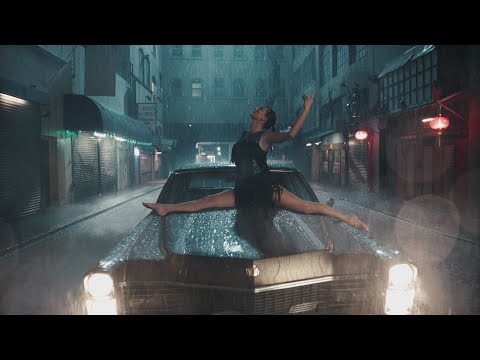
Taylor Swift’s “Lavender Haze” music video is a sleek, surreal visual companion to the lead track from Midnights, released in early 2023 and written and directed by Swift herself. The video blends a 1970s-inspired dream aesthetic, intimate bedroom imagery, galaxy-like lighting, and symbolic underwater scenes to reflect the song’s themes of privacy, romance, public scrutiny, and self-definition.
The video also stands out for its cultural and representational choices, including the casting of Laith Ashley, which helped broaden the visual conversation around gender, intimacy, and modern relationship imagery in mainstream pop. Critics noted that the video’s visuals are lush and memorable, even when its narrative structure is looser than some of Swift’s more plot-driven work.
Strongly positive critical view:
In a positive reading, “Lavender Haze” is one of Swift’s most atmospheric and aesthetically controlled videos. It turns a personal lyrical statement into a fully formed visual mood, using color, texture, and motion to communicate emotional distance from public pressure and a desire for private love. The video contributes to the music industry by strengthening the album’s visual identity, extending the song’s lifecycle across streaming and social media, and creating work for creative professionals in direction, styling, cinematography, postproduction, and marketing. Socially, it also helped normalize broader representation in mainstream pop imagery, which matters in a media environment where visibility can shape public attitudes.
Strongly negative critical view:
A harsher view is that the video is more style than substance. Some critics argued that while the visuals are beautiful, the video does not carry the same level of storytelling complexity found in Swift’s strongest music videos, making it feel emotionally diffuse or overly dependent on mood rather than narrative progression. Others found the aesthetic choices repetitive or too similar to previous visuals from the same era, suggesting a lack of risk in the creative concept. In that reading, the video works as polished promotion, but not necessarily as a deeply memorable standalone artistic statement.
Value to industry and society:
The real contribution of “Lavender Haze” lies in how it connected music, fashion, visual art, and conversation about modern relationships. It supported jobs across the entertainment value chain and helped sustain attention around Midnights as a long-tail cultural product rather than a one-week release. It also gave fans and critics a shared text to debate, which is part of how pop culture continues to generate media literacy, online engagement, and commercial value in the streaming era. At the same time, its softer narrative structure shows the limits of mood-based visual storytelling when viewers expect stronger plot or symbolism.
Balanced final assessment:
“Lavender Haze” is best understood as a polished, emotionally legible, and highly effective atmosphere piece. Its greatest strength is its immersive visual identity; its greatest weakness is that it can feel thinner in narrative terms than the level of production suggests. Even so, it contributed meaningfully to pop music’s visual culture, mainstream representation, and the broader creative economy.