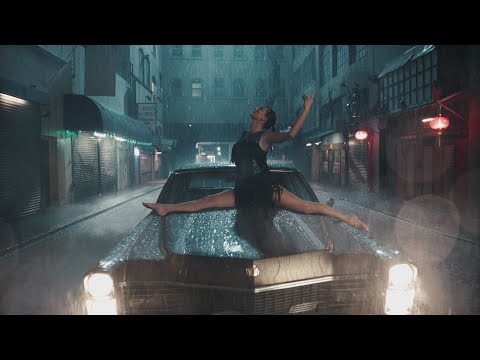
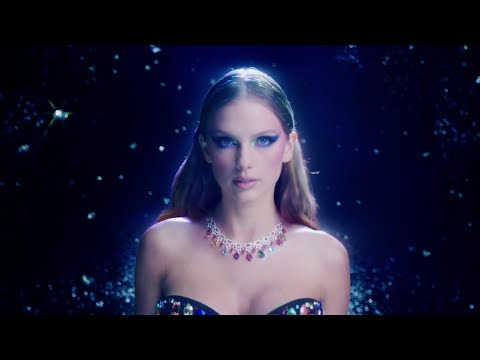
Taylor Swift’s “You Belong With Me” is a defining teen-pop anthem that combines catchy storytelling, emotional relatability, and a classic high-school narrative into one of the most recognizable songs of her early career. For a professional American-English description, it should be framed as a youthful, cinematic, and emotionally direct music video that captures longing, social contrast, and the feeling of being overlooked.
“Taylor Swift – You Belong With Me (Official Music Video) | Teen Classic” is best described as a coming-of-age pop story built around neighborly romance, teenage insecurity, and the hope of finally being seen
. The video uses simple but effective visual storytelling: two neighboring teens communicate, drift apart through social pressure, and eventually reveal the emotional truth that has been building underneath the surface
. That straightforward structure is part of why the video still connects so strongly with audiences years later
.
A strong, updated description should also note that the song remains part of Swift’s long-running catalog presence and continues to generate interest through analysis, reaction content, and archival viewership. Its longevity shows that the track is not just a nostalgic teen anthem, but a durable pop artifact with ongoing relevance in streaming culture and fan memory.
Positive Value
On the positive side, “You Belong With Me” gave mainstream pop a clear emotional language for loneliness, crushes, and social exclusion. That matters because music that reflects teenage experience can help listeners feel understood, especially when it portrays ordinary emotional life with warmth rather than cynicism. In that sense, the song has real social value for adolescents navigating identity, peer pressure, and belonging.
The video also helped shape the standard for narrative-driven pop visuals in the late 2000s and beyond. It showed that a music video could be more than performance footage; it could be a miniature film that tells a complete story with emotional payoff. That has value for directors, editors, costume teams, school and teen media literacy discussions, and the broader creative workforce that builds pop culture imagery.
Critical View
A serious negative reading is that the video relies on familiar and somewhat simplistic teenage archetypes: the quiet “good girl,” the popular cheerleader, and the misunderstood boy. This can make the story feel emotionally effective but also predictable, with a binary view of social status that may oversimplify real teen life. For some viewers, that limitation reduces the video’s depth even while it increases its accessibility.
Another criticism is that the narrative can reinforce the idea that being “the different girl” is automatically morally superior to being popular or outwardly confident. That framing is not unusual in teen media, but it can still send mixed messages about femininity, status, and social worth. A critical description should acknowledge that the video’s charm comes partly from stereotypes it does not fully challenge.
Industry Contribution
The real contribution of “You Belong With Me” to the music industry is its durability. Songs that remain culturally searchable and emotionally resonant for years help maintain catalog value across streaming, publishing, licensing, and fan engagement. Swift’s re-recorded era has further extended that value by keeping older songs active in current listening habits and content ecosystems.
It also supports many kinds of work beyond music itself. When a catalog song stays alive in the public conversation, it creates recurring value for production companies, platform distributors, media commentators, reaction channels, and archival content creators. That makes the song part of a wider creative economy, not just a standalone hit.
Social Meaning
In the best scenario, the song gives listeners a safe emotional script for saying, “I feel overlooked, but I still matter”. That kind of message can be genuinely useful for teens, especially in school environments where belonging is often tied to appearance, popularity, and social status. The song’s popularity shows how strongly audiences respond to narratives about being misunderstood but hopeful.
In the worst scenario, the video can oversimplify social identity by reducing popularity into a shallow moral contrast. That makes it easy to consume, but it also means the story may not hold up as a deep social portrait. Still, even that criticism highlights its importance, because it remains a useful example of how pop music shapes ideas about romance, gender, and adolescence.
Source Grounding
The official and archival references confirm the song’s Fearless era and its continued relevance through modern catalog interest. More recent commentary and analysis support the view that the song still works because of its melody, structure, and emotionally direct storytelling. Broader 2026 reporting on Taylor Swift’s cultural impact helps explain why early career songs like this remain meaningful in the current music economy.