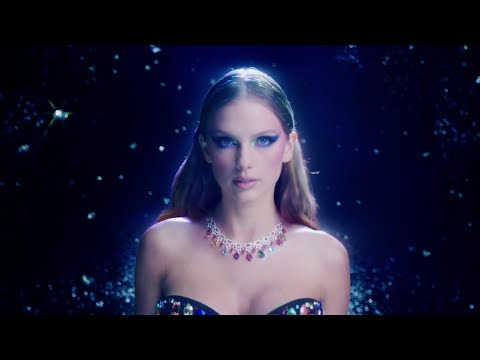
Taylor Swift’s “cardigan” is a deeply emotional folk-pop ballad and visual piece that turns memory, loss, and longing into a cinematic reflection on love and self-worth. For a professional American-English description, it should be framed as one of the most intimate and artistically mature moments of the folklore era, blending poetic storytelling with a quiet but powerful emotional atmosphere.
Professional Description
“Taylor Swift – cardigan (Official Music Video) | Folklore Emotional Hit” should be described as a haunting, reflective visual built around solitude, memory, and the emotional afterlife of a broken relationship
. The video was presented as Swift’s first visual statement for folklore, and it shows her writing and directing from a very personal creative space, with imagery that moves from an isolated cabin to water, forest, and dreamlike escape
. That visual progression mirrors the song’s emotional arc: comfort, abandonment, vulnerability, and survival
.
A strong description also needs to note that folklore marked a major artistic shift for Swift, moving her further into indie-folk and narrative songwriting rather than glossy pop spectacle. The result was a song and video that felt quieter on the surface but more expansive in meaning, which is why “cardigan” remains one of the most discussed tracks from that era.
Positive Value
On the positive side, “cardigan” is a strong example of emotional storytelling done with restraint. Instead of relying on loud hooks or obvious drama, it uses symbolism, atmosphere, and soft imagery to communicate what loss feels like when it is remembered years later. That gives the song real artistic value because it respects the listener’s intelligence and invites interpretation.
Its social value is also meaningful. The lyric and visual language around being dismissed, underestimated, or emotionally discarded can resonate strongly with people who have felt overlooked in relationships or in life more broadly. In that sense, the song can support emotional literacy, especially for listeners who respond to quiet, introspective music more than to direct pop statements.
The broader contribution of Swift’s folklore era also extends into the creative economy. A release like this supports writers, producers, visual artists, editors, label teams, streaming platforms, fashion and merchandising work, and online commentary ecosystems. Even as a softer, more literary release, it still generates attention and labor across the music industry.
Critical View
A serious negative reading is that “cardigan” can feel overly aestheticized, turning pain and betrayal into a beautiful mood rather than confronting them in a raw or socially disruptive way. Some listeners may experience the song as emotionally rich but somewhat insulated, because its softness can make the conflict feel romanticized rather than painfully real. That is a fair criticism of much of the folklore era: it is intimate, but carefully shaped.
Another critique is that the song’s symbolism can be dense enough to exclude casual listeners. The cardigan, the cabin, the water, and the love-triangle reading all create layers of meaning, but they also rely on interpretation that not every audience member will want to do. In a mass-market context, that can limit immediate accessibility even while strengthening long-term artistic value.
Industry Contribution
The real contribution of “cardigan” to the industry is its demonstration that a major pop star can successfully pivot into understated, craft-driven storytelling without losing commercial power. That matters because it expands what mainstream success can look like in the streaming era. It also supports the idea that emotional subtlety can be just as marketable as spectacle when the branding, songwriting, and visual identity are coherent.
It also has practical economic value through catalog growth and fan engagement. Songs like “cardigan” keep Swift’s work active in streaming conversations, analysis videos, editorial content, and re-listening cycles that sustain revenue and visibility. That creates jobs and opportunities across music, media, and digital content production, even for a slower, more reflective song.
Social Meaning
In the best scenario, “cardigan” helps listeners feel seen in their sadness without being told to “move on” too quickly. That can matter for people processing heartbreak, uncertainty, or emotional neglect, because the song validates the idea that vulnerability can be lasting and meaningful. It gives a voice to memory rather than just to recovery.
In the worst scenario, the song can become a beautifully packaged form of emotional distance, where pain is aesthetic rather than truly confrontational. That does not make it false, but it does mean the listener is often invited to admire the sadness rather than interrogate its causes. Even so, the song’s cultural value remains strong because it keeps generating conversation about narrative, gender, and emotional authenticity.
The official release information confirms that “cardigan” is tied to the folklore era and that Swift wrote and directed the visual. Critical and academic coverage from 2022 onward describes folklore as a broader artistic shift toward craft, nostalgia, and intimate storytelling. Recent 2026 reporting on Swift’s cultural legacy helps explain why a song like this still matters in the current music economy.